

Made by the sea.
Nothing exsists.
TACOOGAMA Lazarus
What these are ?
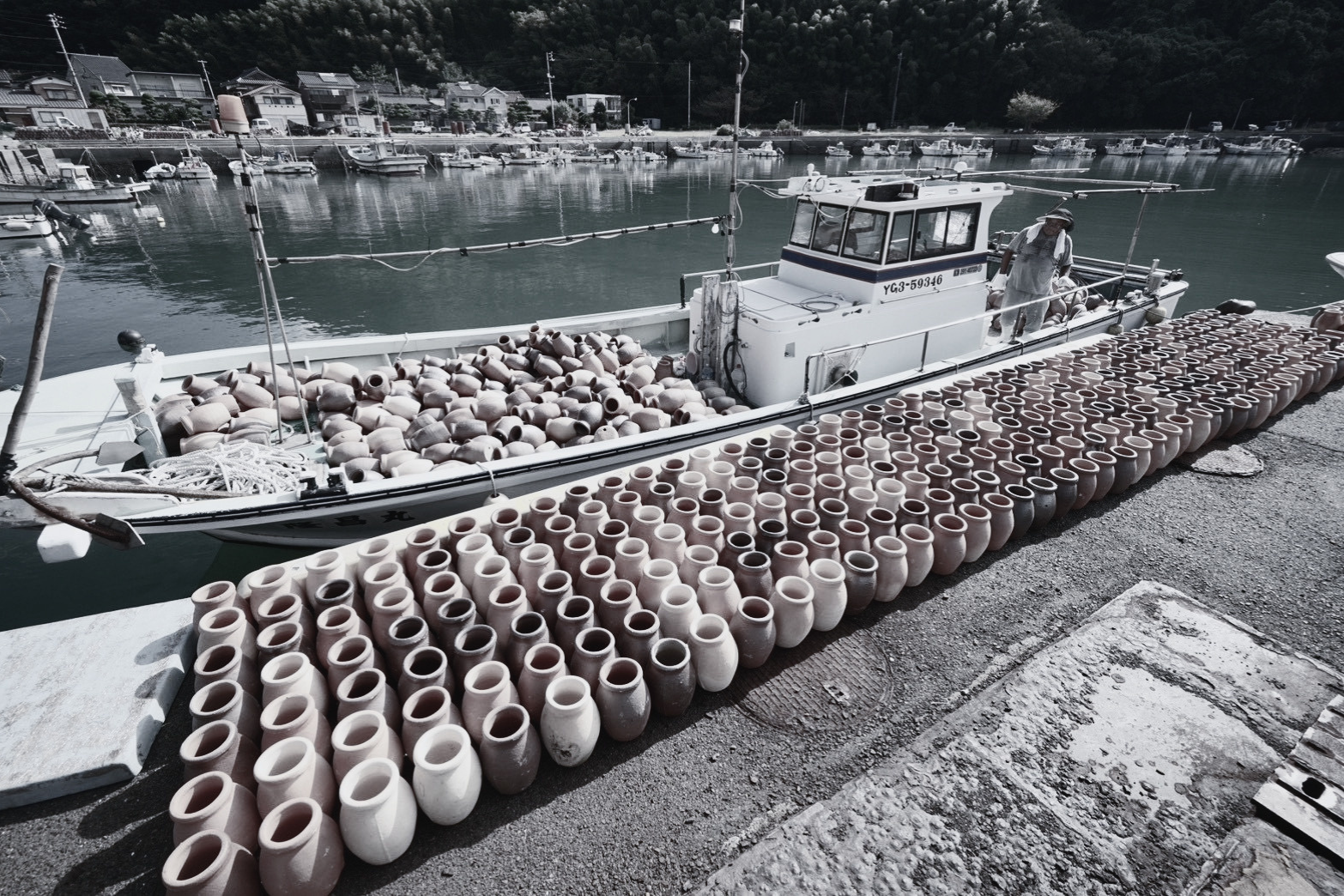
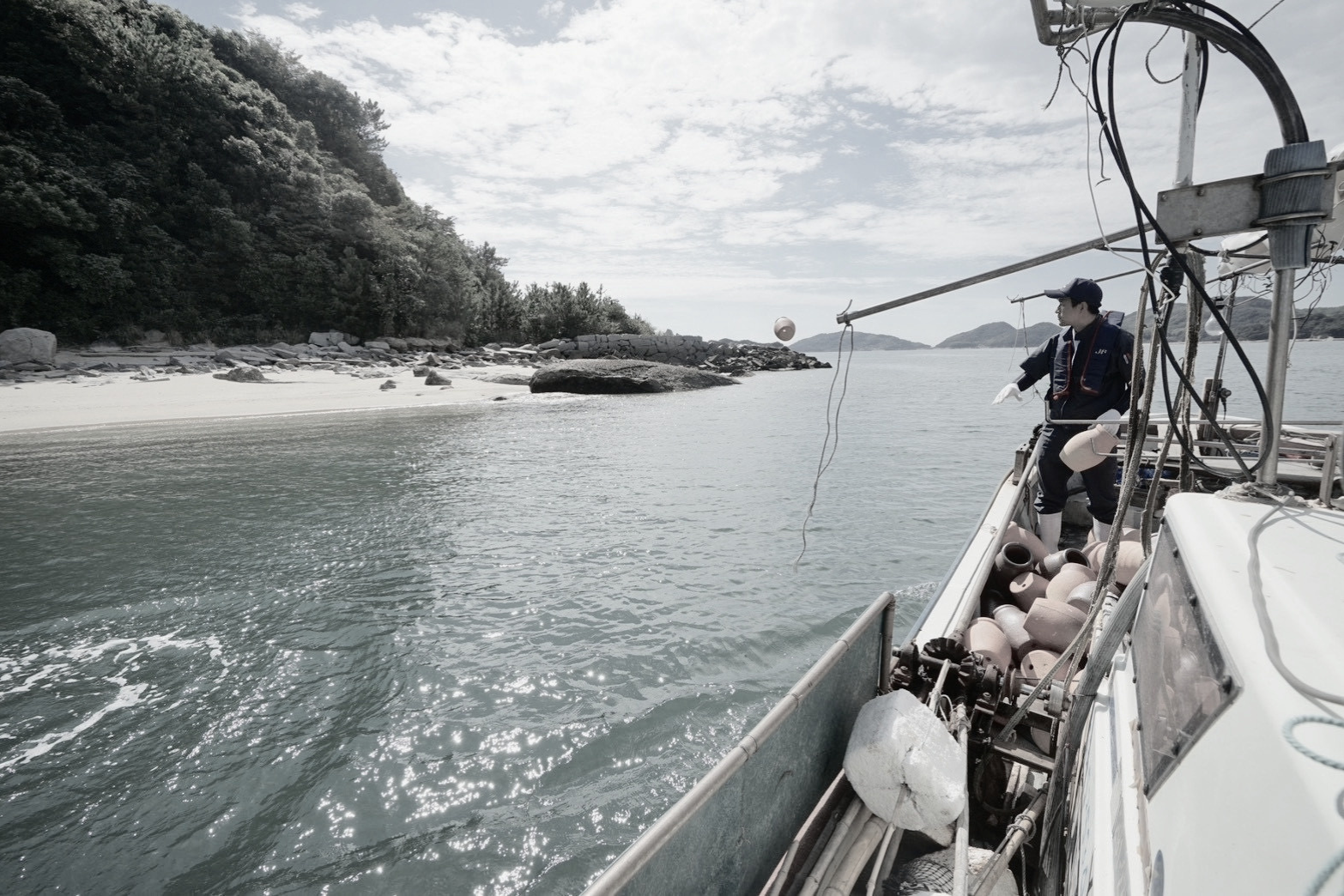
Fishermen in Japan have caught octopus with clay pots for more than two thousand years. The pots are lowered on ropes, and the octopus chooses them as shelter.
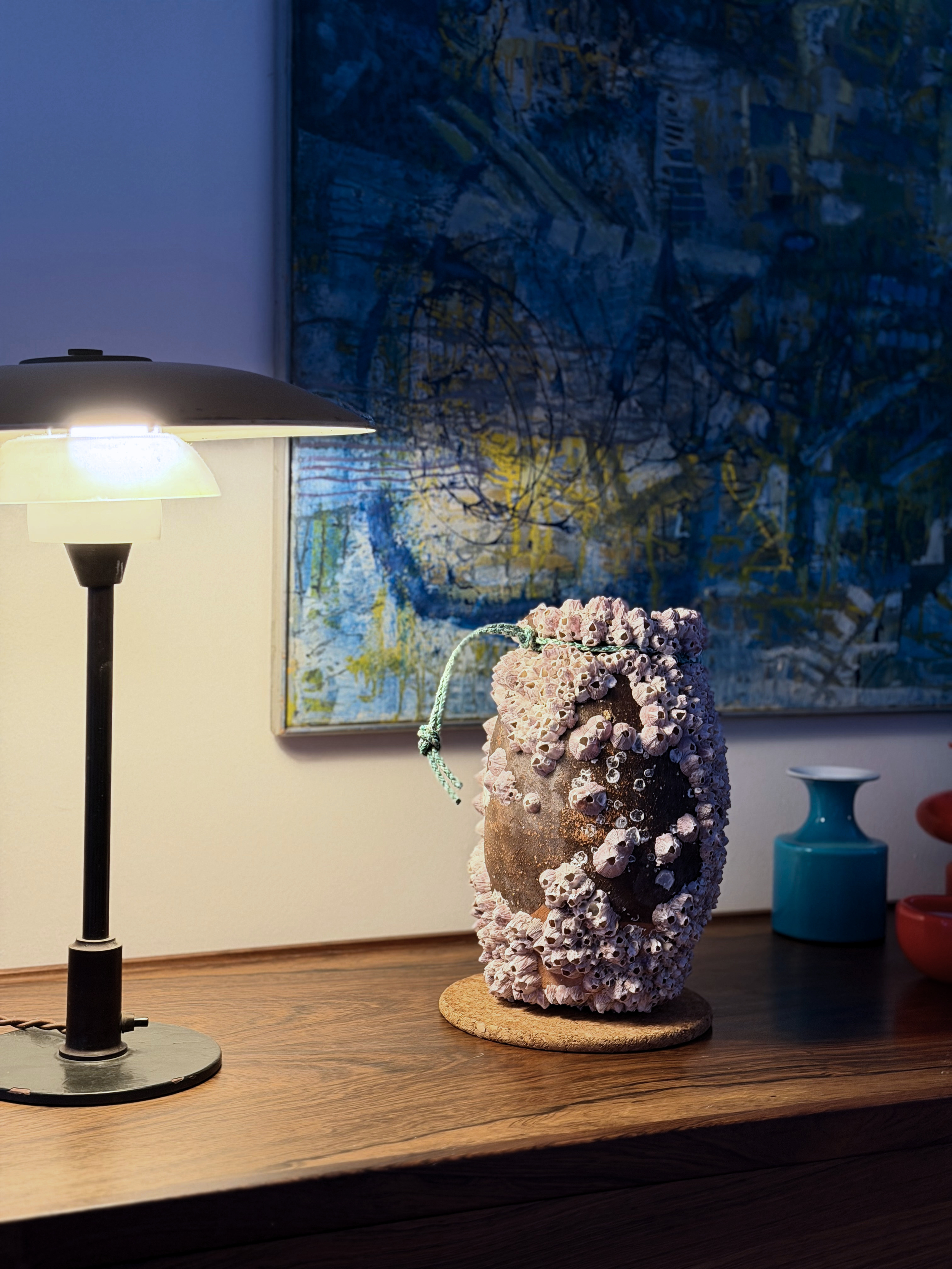
Each pot spends three to five years on the seabed. Barnacles settle on it, shells attach, and the current wears the clay. No two come back the same.
We do not shape, glaze or repair them. We rinse away the salt, clean them, and seal them with a clear coating so that what the sea has made will last.
We call them Lazarus — the pots that came back from the sea.
The fisherman

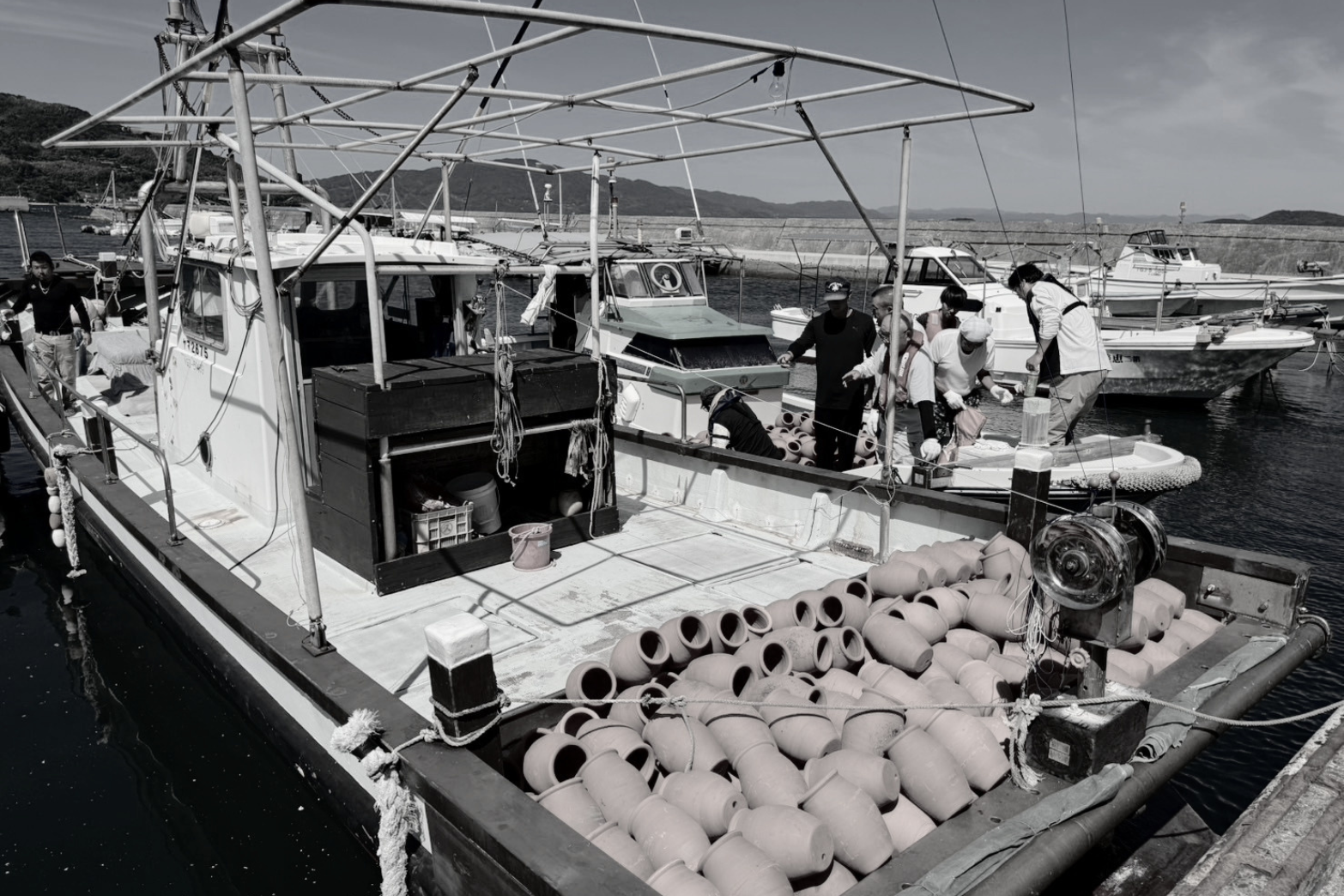
Every pot begins as a working tool. When it comes up covered in barnacles, it is no longer good for fishing.
The fisherman hands it to us. We hand him a new one, at no cost. He goes back to sea with a clean pot. We keep the one the sea has finished.
Nothing is taken from the sea that was not already there.
We are
the last maker
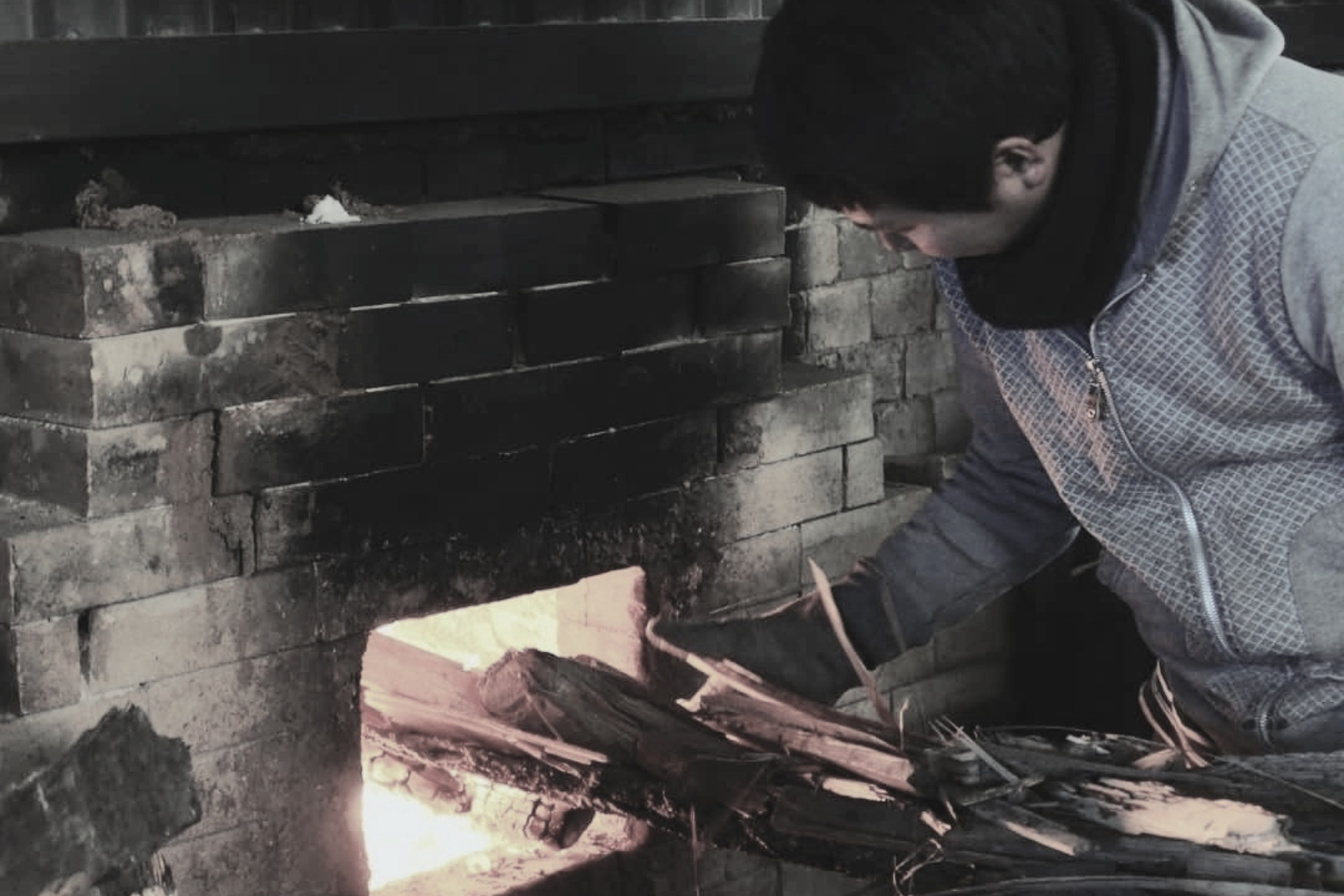
TACOOGAMA, in JApan is the last remaining maker of clay octopus pots in Japan. The kiln has fired pots for fishermen for generations.
Each Lazarus sold pays for the new pots we give away. That is what keeps the kiln firing — and keeps clay, not plastic, in the water.

How we work
We release about one hundred pieces a year. When they are gone, they are gone until the next season.
We sell outright, never on consignment. First orders can be small — three pieces are enough to begin.
Lazarus is available only through a small number of galleries and stores in Europe. They see photographs of each piece, choose the ones they want, and set their own prices.

Back to sand
A clay pot that breaks on the seabed returns to sand.
A plastic pot that breaks stays in the sea for centuries.
That is why we still make them the old way.
Where to find us
■Vi kommer til Danmark for at finde vores første forhandlere.
Vil du se stykkerne selv, så skriv til os.
【2027】
Copenhagen, June 2027.
Be the first to see them.
【2026】
Shown at Formland, Herning — August 2026.
Stockists to be announced.
Member
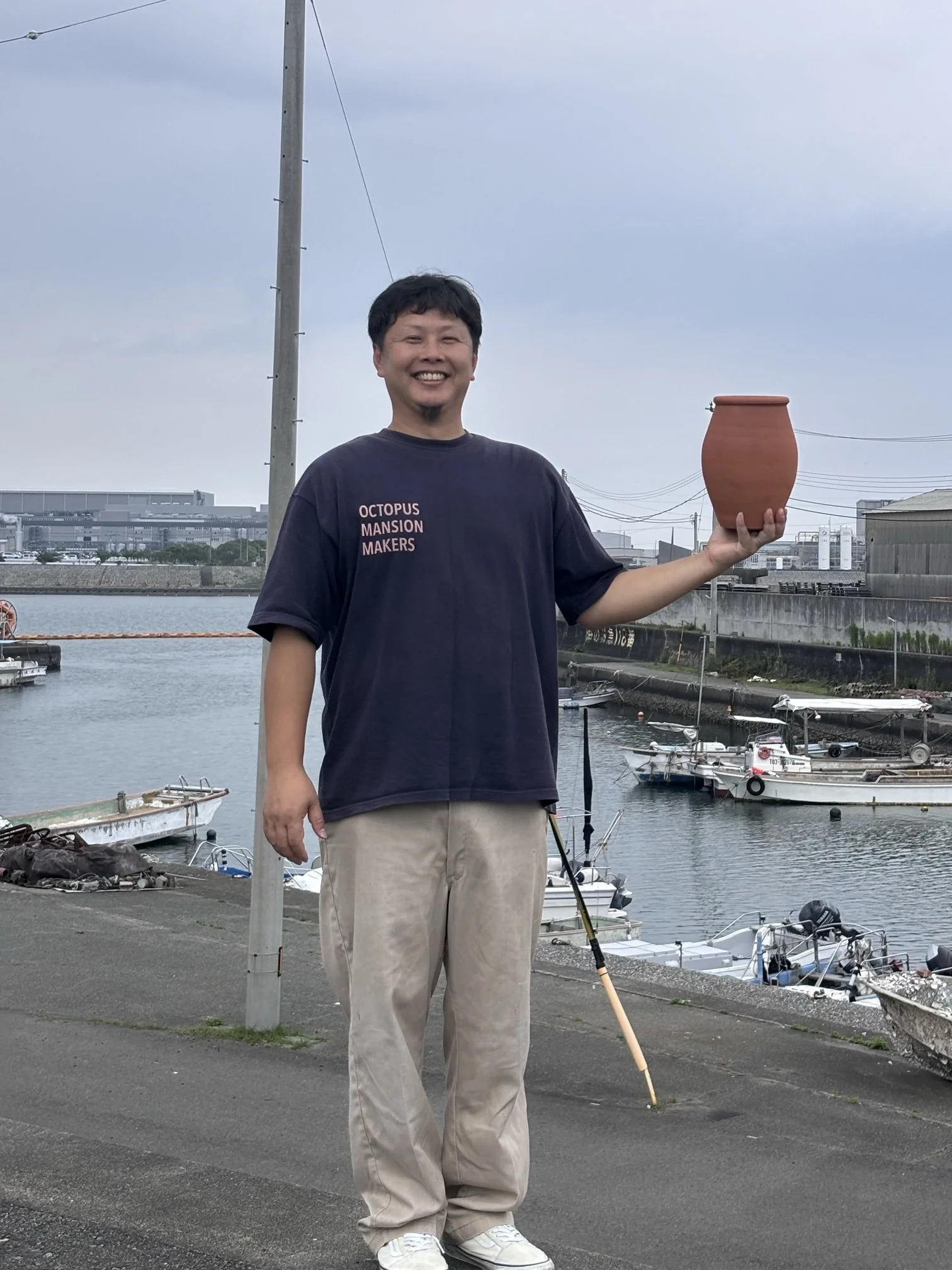
Tomohiro HISANO
The last potter in Japan still making clay octopus pots.
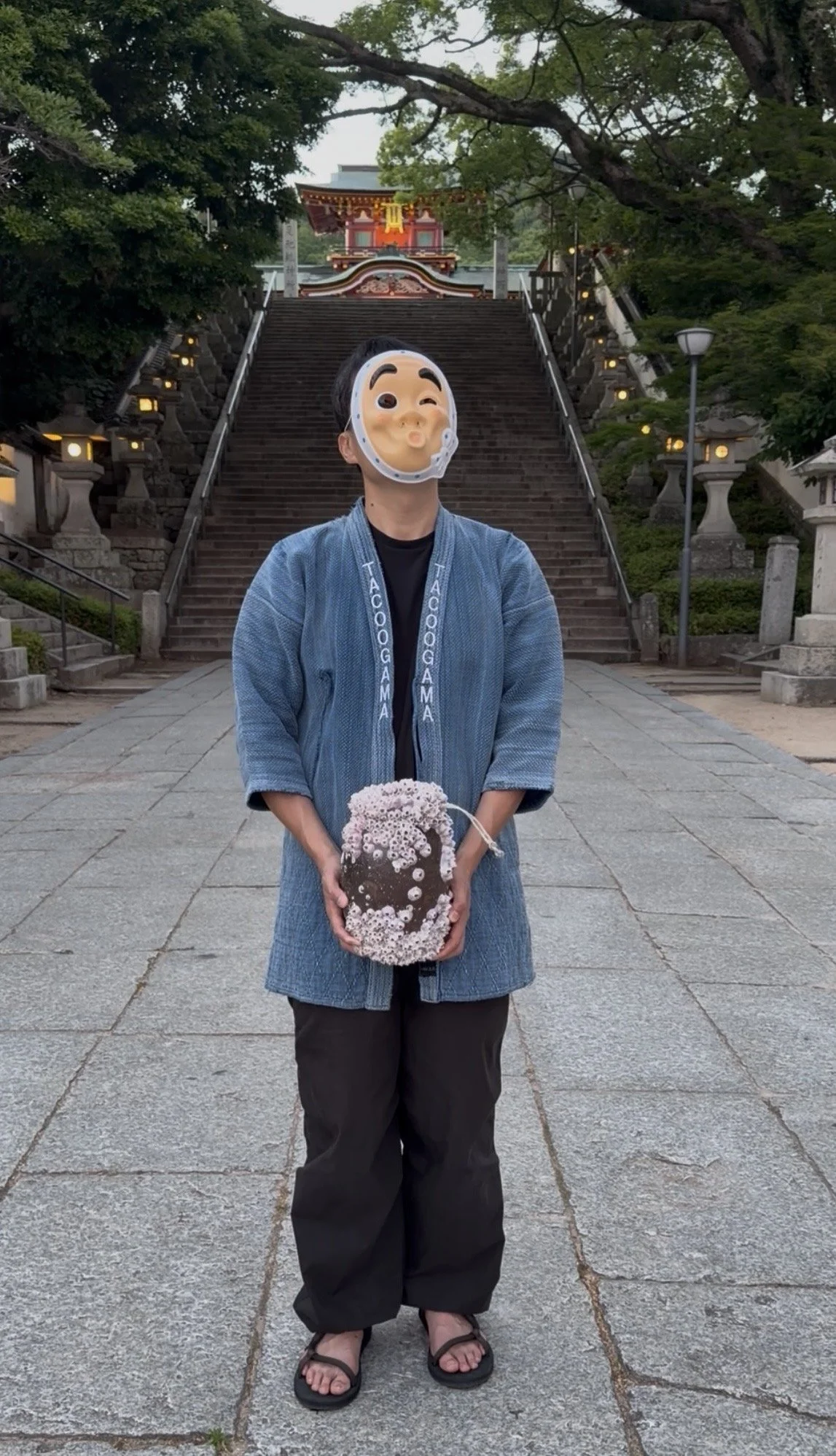
TACOOTSUBO (octopus pot) MAN
The clown as a story teller
■office
TACOOGAMA Inc.
4-26, higashiniiryo-chou, Hofu, Yamaguchi, JAPAN